
Diabetes care is evolving beyond blood sugar control. Advances in medical science are introducing new possibilities for managing type 2 diabetes, obesity, and metabolic health.
One significant development is the growing use of GLP-1 therapies, which offer potential benefits beyond weight loss, including improved blood glucose control and cardiovascular and kidney protection in eligible patients.
GLP-1 (Glucagon-Like Peptide-1) is a naturally occurring hormone that helps regulate blood sugar and appetite.
GLP-1 receptor agonists mimic this hormone and work by:
Common examples include semaglutide, liraglutide, and dulaglutide. Tirzepatide works through both GIP and GLP-1 receptors.
1. Improved Blood Sugar Management
GLP-1 therapies help lower blood glucose and HbA1c levels, supporting better management of type 2 diabetes.
2. Effective Weight Management
By regulating appetite and promoting fullness, certain GLP-1 medications can support weight reduction and improve insulin sensitivity.
3. Cardiovascular Benefits
Some GLP-1 receptor agonists have demonstrated benefits in reducing the risk of major cardiovascular events, including heart attack and stroke, in specific patient populations.
4. Kidney Health
Certain GLP-1 medications, including semaglutide, have demonstrated kidney-protective benefits in eligible patients with type 2 diabetes and chronic kidney disease.
5. Better Metabolic Health
GLP-1 therapies may help improve several metabolic risk factors, particularly when combined with appropriate nutrition, physical activity, and medical supervision.
Type 2 diabetes remission is possible for some individuals, particularly following significant, sustained weight loss.
Remission generally means maintaining an HbA1c below 6.5% for at least three months without glucose-lowering medication.
Although GLP-1 therapies can improve blood sugar control and support weight loss, improved glucose readings while taking medication do not constitute remission.
Remission is not a cure, and ongoing health monitoring remains essential.
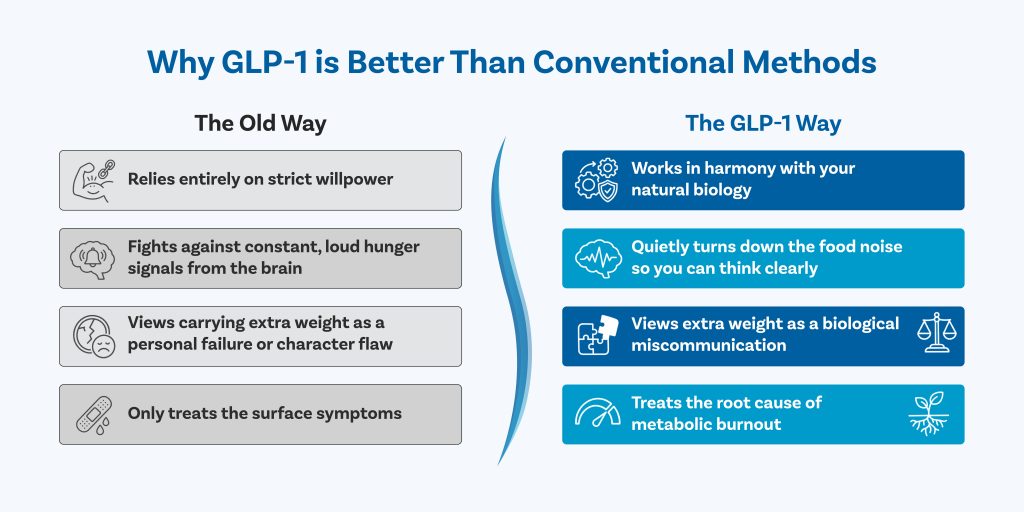
Are GLP-1 Medicines Suitable for Everyone?
GLP-1 medications require an individualized medical assessment.
Doctors consider blood glucose levels, weight, existing medical conditions, medications, and treatment goals before prescribing them.
Common side effects include nausea, vomiting, diarrhoea, and constipation. Some medicines also carry important warnings and contraindications.
Always consult a qualified healthcare professional before starting or changing GLP-1 treatment.
Medication is only one part of effective diabetes management.
Balanced nutrition, regular physical activity, adequate sleep, stress management, and ongoing health monitoring remain essential for long-term well-being.
At Tata MD, we believe diabetes care should focus on the individual, not just the diagnosis.
Our approach combines clinical expertise, diagnostics, personalized nutrition guidance, lifestyle support, and continuous care coordination to support better health management.
Through specialist consultations, structured care plans, and dedicated health companions, Tata MD aims to empower individuals to make informed healthcare decisions.
Take a Step Towards Better Diabetes Care with Tata MD
GLP-1 therapies represent an important advancement, but their effectiveness depends on appropriate patient selection and integration into a comprehensive care plan.
Wondering whether GLP-1 therapies are right for you?
Connect with Tata MD’s healthcare professionals to explore personalized diabetes management options.
Because better diabetes care goes beyond managing numbers. It’s about improving lives.
Explore Diabetes Care at Tata MD
Medical Disclaimer: This article is intended for educational purposes only and does not constitute medical advice. GLP-1 medications should be used only when prescribed by a qualified healthcare professional. Treatment suitability, approved indications, contraindications, and monitoring requirements vary by medication and patient.
References

Tata MD Healthcare Centre, 2nd Floor Prime Square, Sathya Sai layout, Whitefield, Bengaluru, Karnataka Pincode: 560066
View on Google Map
Monday to Saturday | 08:00 AM - 08:00 PM
Sunday | 10:00 AM - 02:00 PM