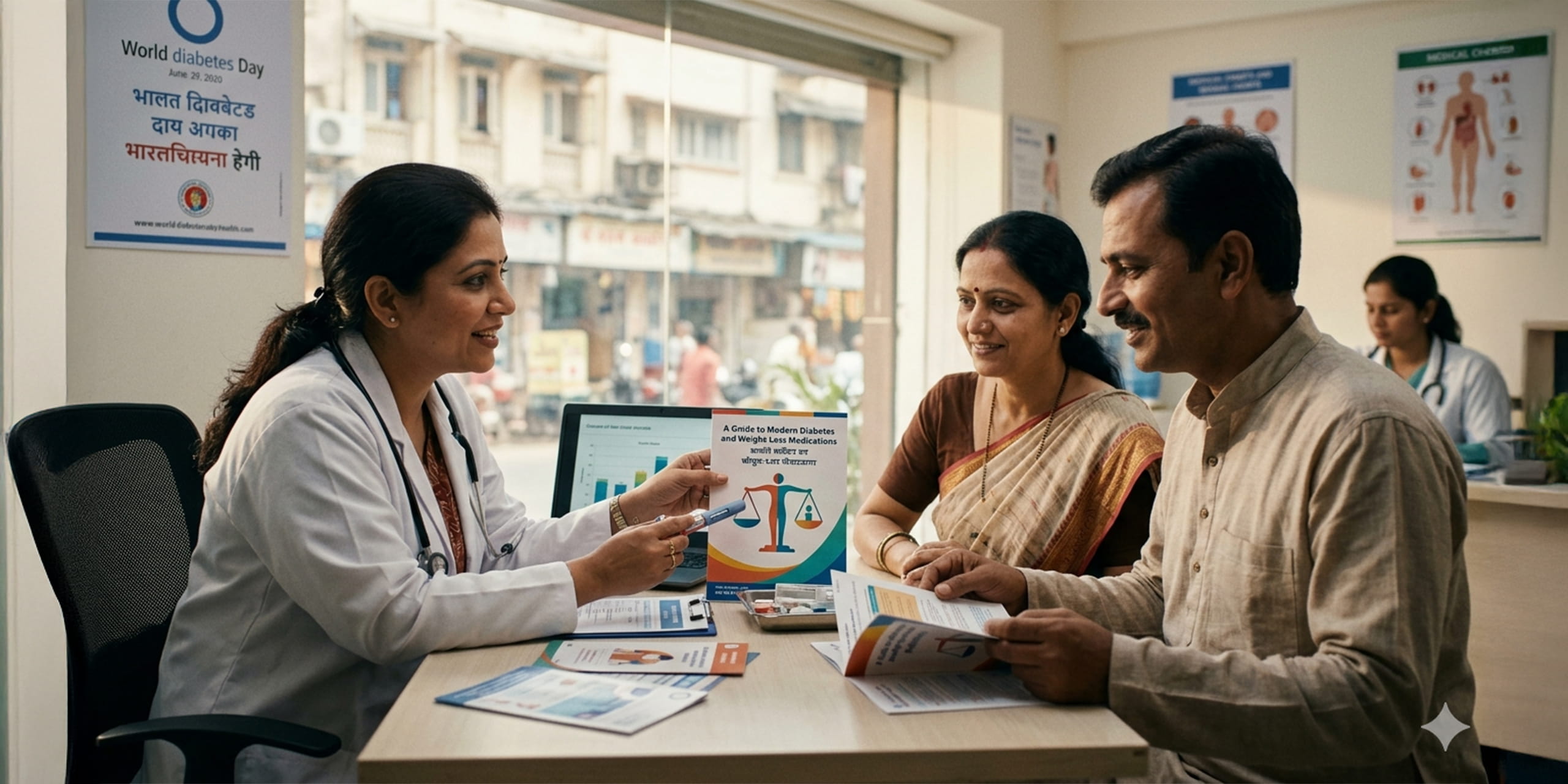



Modern life in Whitefield and other tech hubs of Bengaluru moves quickly. Between long hours at the office, commuting and juggling family responsibilities, it’s easy to overlook subtle health changes. Diabetes often develops quietly, and many busy professionals ignore its earliest warnings until complications arise. Globally, more than one in nine adults aged 20–79 live with diabetes and over 40 % remain undiagnosed[1]. In India, surveys estimate that about 6.5 % of adults have diabetes, but this rises to 16.1 % when including undiagnosed cases[2]. Catching the warning signs early can prevent longterm damage.
Dr Fred Williams, endocrinologist at Tata MD notes that one of the earliest indicators is weight gain combined with a darkening of the skin around the neck, known as acanthosis nigricans. This velvety discoloration often develops slowly and may be mistaken for tanning or dirt. During routine health checks, people also tend to dismiss mild fatty liver or elevated cholesterol as inconsequential. According to Dr Williams, “These can be early signs that somebody is heading toward diabetes.”.
Other subtle symptoms include:
While these signs can be caused by other conditions, ignoring them may allow diabetes to progress unchecked.
Life in Bengaluru’s booming tech corridors contributes to an environment ripe for diabetes. Stress, irregular meals, lack of exercise and latenight snacking are common among professionals. Dr Williams points out that younger working adults are particularly vulnerable: “Because of the stresses of their jobs and lifestyle habits – a poor diet, a lot of fast food and the general lack of exercise – they are at higher risk.”
When deadlines loom, many reach for convenience foods high in refined carbohydrates and sugar. These spike blood glucose and insulin levels, promoting weight gain and insulin resistance. Sedentary desk jobs further reduce calorie expenditure, and chronic stress raises cortisol, which can worsen blood sugar control.

Diabetes is not just a distant threat. The International Diabetes Federation’s 2025 atlas estimates that one in nine adults worldwide live with diabetes and projects that one in eight will have it by 2050. In India, around 101 million people were estimated to have diabetes in 2021. Many go undiagnosed because early symptoms are mild or misattributed to a hectic lifestyle.
Ignoring early signs allows chronic high glucose to damage blood vessels and nerves. Complications may include heart disease, kidney failure, vision loss and foot problems. Early intervention can prevent or delay these outcomes.
Dr Fred Williams emphasises that random blood sugar tests aren’t enough. He recommends a comprehensive screening that includes:
In addition to testing, he encourages people to track their waist circumference, adopt a balanced diet and incorporate regular physical activity. Replace sugary drinks with water, choose whole grains, and prioritise leafy vegetables and lean protein. A brisk 45minute walk or cycling session each day improves insulin sensitivity and reduces stress.

If you notice persistent fatigue, increased thirst, darkening skin around the neck or unexplained weight changes, schedule a consultation with an endocrinologist. Diabetes is manageable when caught early and addressed with lifestyle changes and, if needed, medication. Don’t let a busy schedule delay your health – your career will thrive only if you do. To discuss your risk factors and get screened, you can book an appointment with a Tata MD diabetes specialist in Whitefield or Bengaluru today.
About Tata MD
[1] Diabetes Facts and Figures | International Diabetes Federation
https://idf.org/about-diabetes/diabetes-facts-figures
[2] The rising burden of diabetes and state-wise variations in India: insights from the Global Burden of Disease Study 1990–2021 and projections to 2031 – PMC

Tata MD Healthcare Centre, 2nd Floor Prime Square, Sathya Sai layout, Whitefield, Bengaluru, Karnataka Pincode: 560066
View on Google Map
Monday to Saturday | 08:00 AM - 08:00 PM
Sunday | 10:00 AM - 02:00 PM