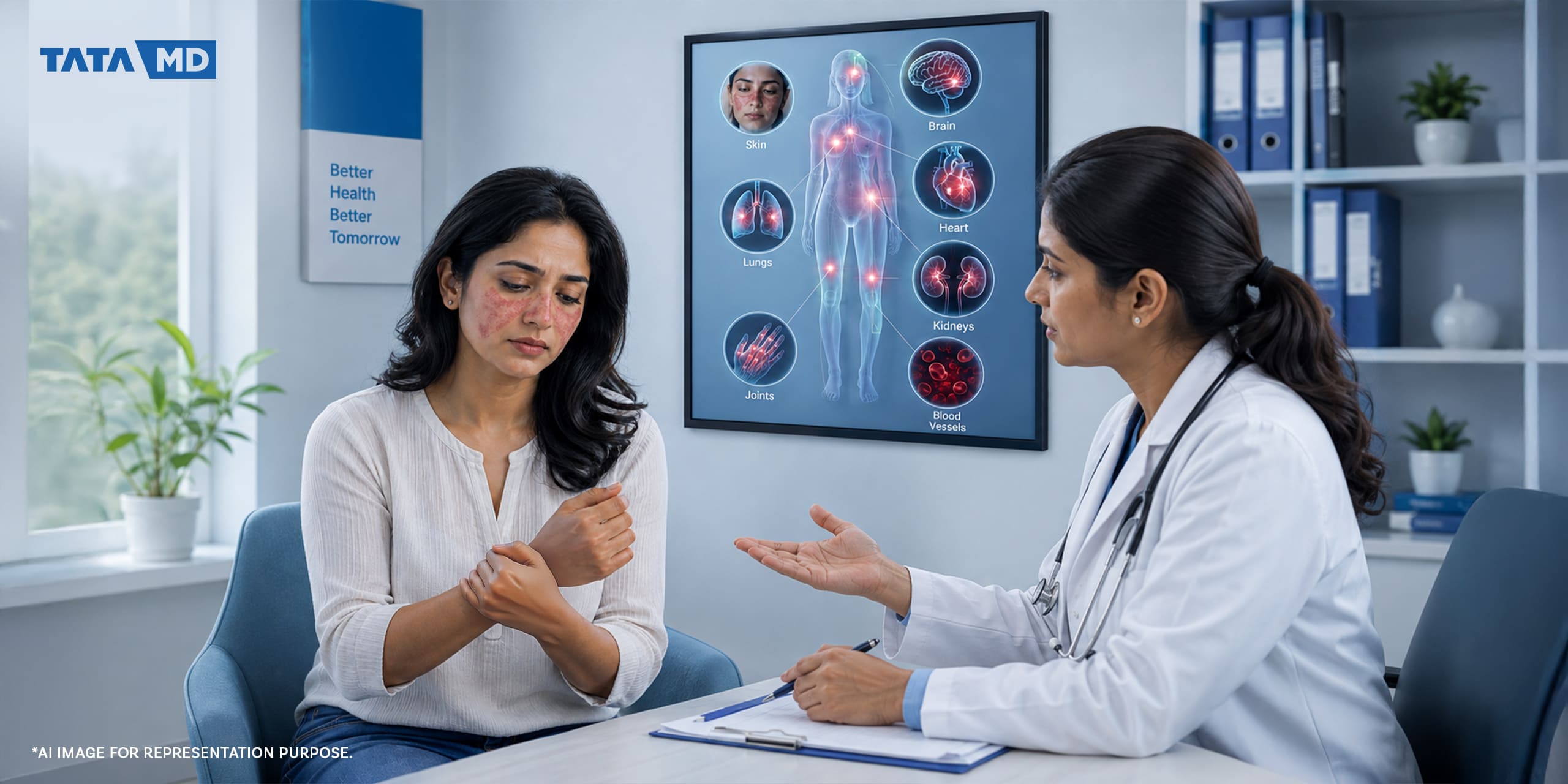



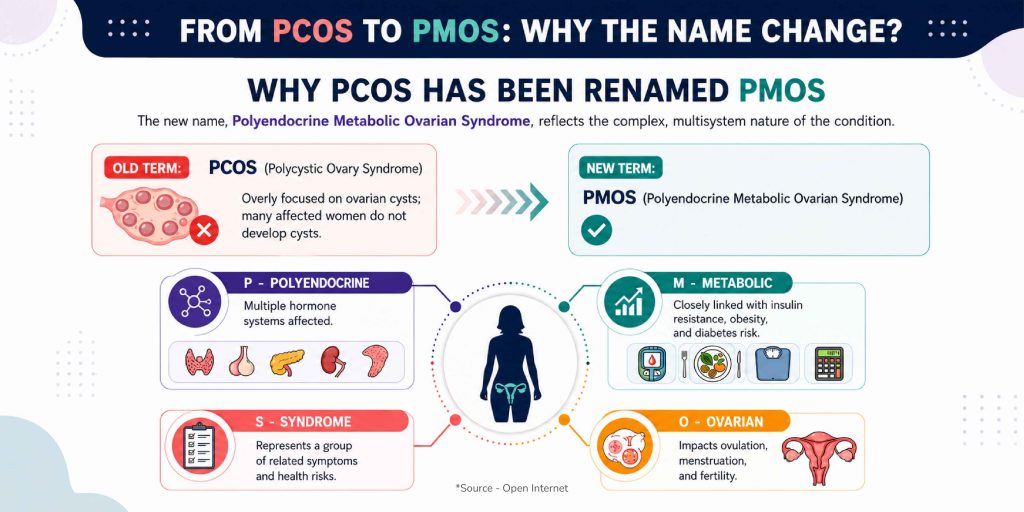
In a significant global healthcare development, Polycystic Ovary Syndrome (PCOS) has officially been renamed Polyendocrine Metabolic Ovarian Syndrome (PMOS). The change was announced after years of collaboration between global medical experts, researchers, and patient advocacy groups to better reflect the true nature of the condition.
For years, the term “PCOS” created confusion because many women diagnosed with the condition did not actually have ovarian cysts. The new term PMOS highlights that this is not just a reproductive condition, but a complex metabolic, hormonal, and endocrine disorder that affects multiple systems in the body.
The previous name focused heavily on ovaries and cysts, which often led to delayed diagnosis and incomplete treatment approaches. In reality, many women with PCOS experience issues related to insulin resistance, weight gain, hormonal imbalance, irregular periods, fertility challenges, acne, hair fall, anxiety, and long-term metabolic risks such as diabetes and cardiovascular disease.
The term PMOS better represents the broader health impact of the condition by emphasizing:
This shift is expected to improve awareness, diagnosis, treatment planning, and patient understanding globally.
India is witnessing a significant rise in lifestyle-related hormonal disorders among women, especially in urban populations. Sedentary lifestyles, stress, sleep disturbances, processed food consumption, obesity, and insulin resistance are contributing to the increasing prevalence of PMOS.
Many women in India still normalize symptoms such as:
As a result, diagnosis often happens very late.
The transition from PCOS to PMOS could help Indian healthcare systems move towards a more holistic approach rather than treating it as only a gynecological condition.
One of the most important aspects of this renaming is that it encourages healthcare providers to look beyond reproductive symptoms alone.
Managing PMOS often requires support from:
This is especially important because PMOS is strongly linked with metabolic disorders such as obesity, prediabetes, Type 2 diabetes, hypertension, and fatty liver disease.
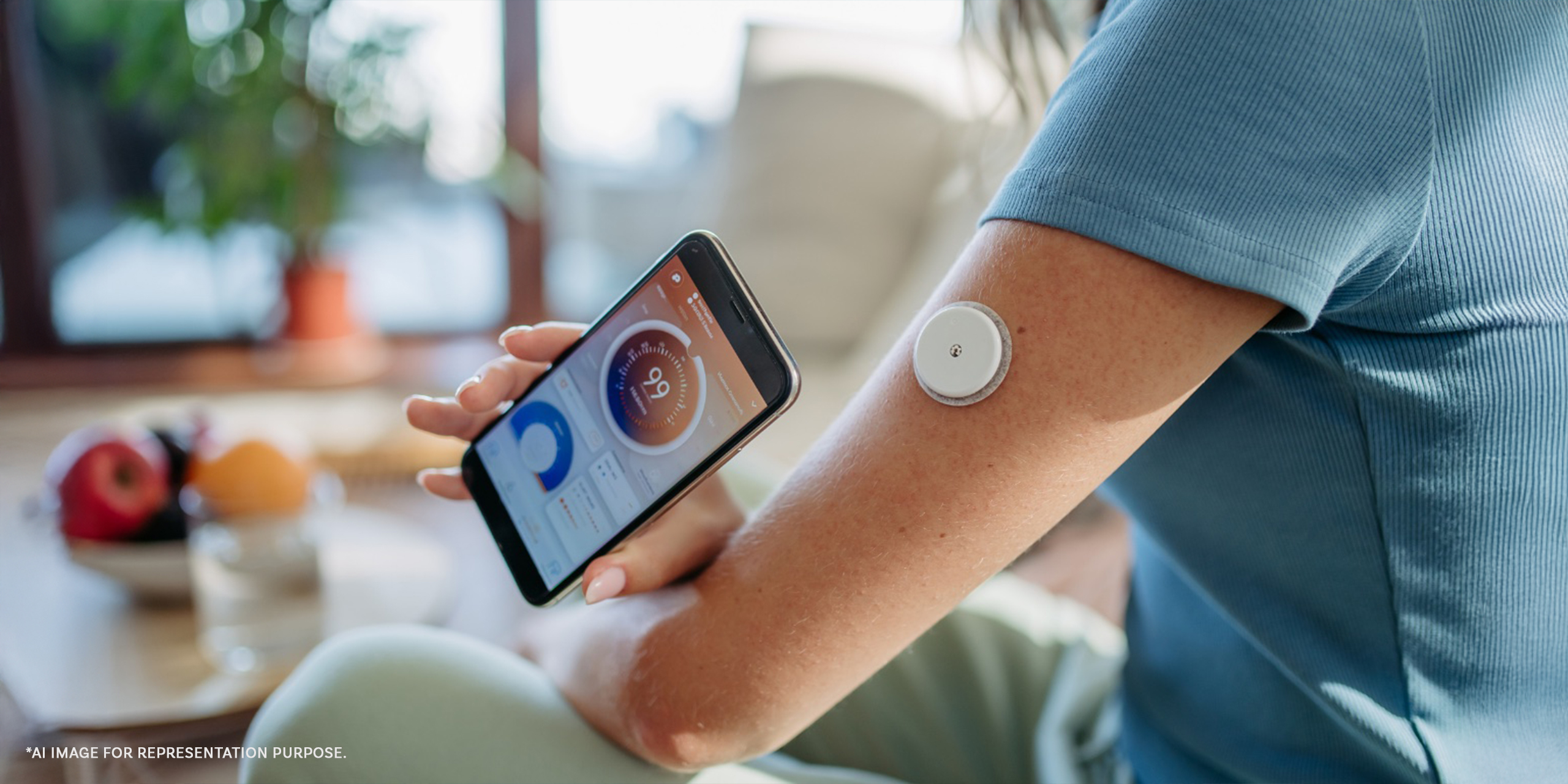
Endocrinology and metabolism play a critical role in regulating how the body functions, grows, and uses energy. The endocrine system controls hormones that influence blood sugar, weight, fertility, mood, sleep, and overall organ function. Metabolism determines how the body converts food into energy and maintains internal balance.
Disorders related to endocrinology and metabolism, such as diabetes, thyroid disease, obesity, and hormonal imbalances, can significantly impact long-term health and quality of life.
The PMOS discussion also highlights the importance of preventive healthcare and early intervention. Many symptoms begin during adolescence, but women may not seek medical support until fertility concerns arise later in life.
Regular health screening, hormone evaluation, lifestyle modifications, stress management, exercise, and nutritional guidance can significantly improve outcomes.
Healthcare awareness campaigns in India now have an opportunity to educate women that PMOS is not only about fertility—it is also about long-term metabolic and overall health.
Another important aspect receiving greater attention is mental health. Women with PMOS often experience anxiety, low self-esteem, stress, and depression due to body image concerns, hormonal changes, and social stigma.
The broader understanding of PMOS as a full-body condition may encourage more compassionate, patient-centered care in the future.
The renaming of PCOS to PMOS is more than a terminology update. It reflects a global shift towards recognizing women’s health conditions more accurately and scientifically.
For India, this change could improve:
Most importantly, it may help millions of women receive timely support without stigma or misunderstanding.
At a time when lifestyle diseases and metabolic disorders are increasing rapidly, the PMOS conversation reminds us that women’s healthcare must evolve beyond symptoms towards long-term preventive and integrated care.

Tata MD Healthcare Centre, 2nd Floor Prime Square, Sathya Sai layout, Whitefield, Bengaluru, Karnataka Pincode: 560066
View on Google Map
Monday to Saturday | 08:00 AM - 08:00 PM
Sunday | 10:00 AM - 02:00 PM