


GLP-1 drugs have recently gained significant attention for their effectiveness in managing type 2 diabetes and obesity. Many people have heard names like Ozempic, Wegovy, and Mounjaro, but it can often be confusing to understand how these medications differ and which one might be appropriate.
This article explains the key differences between commonly prescribed GLP-1 medications and how they help improve metabolic health.
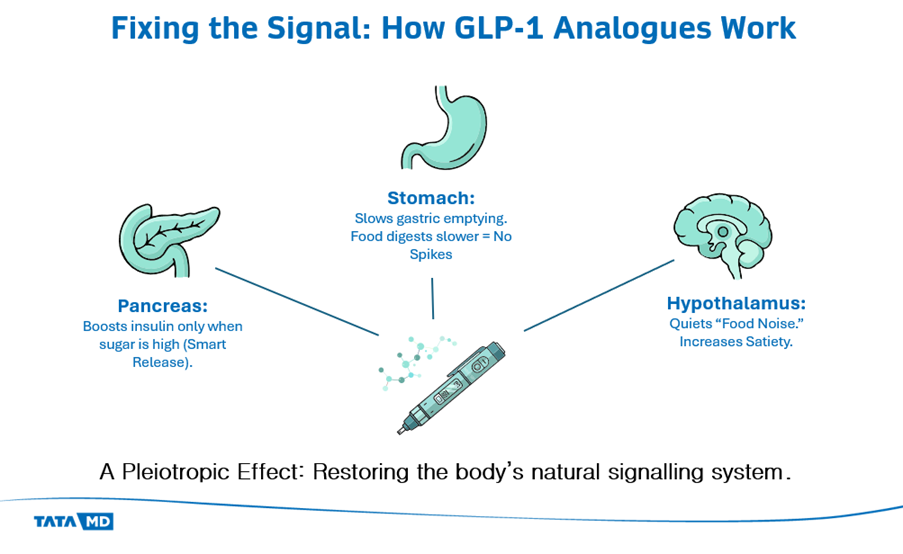
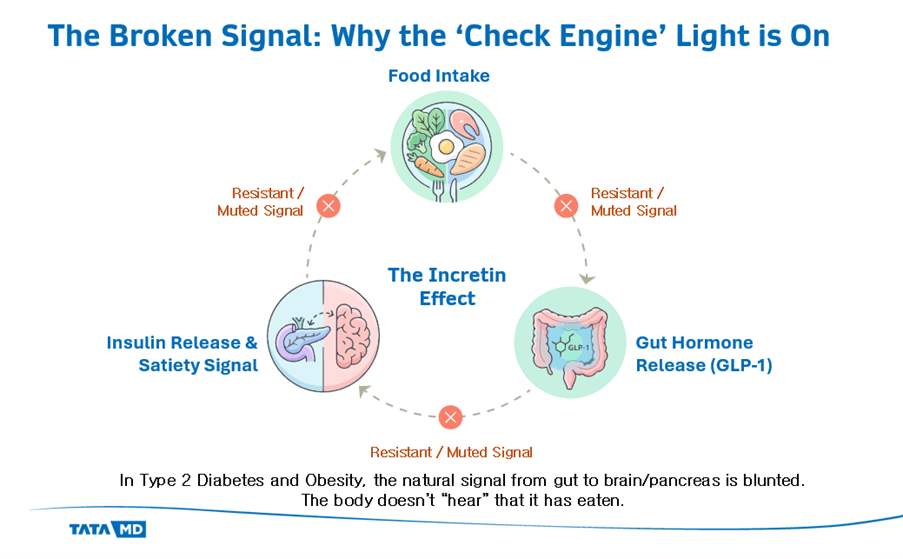
GLP-1 drugs are medications that mimic a natural hormone called Glucagon-like peptide-1.
This hormone plays an important role in regulating blood sugar levels, appetite, and digestion. When food enters the body, GLP-1 is released from the intestine and helps the body manage glucose efficiently.
GLP-1 medications work by enhancing these natural processes. They help:
Because of these effects, GLP-1 drugs are widely used to treat Type 2 Diabetes and increasingly for managing Obesity.
GLP-1 medications may be recommended for individuals who:
These medications are often combined with dietary changes, physical activity, and lifestyle interventions.
Like all medications, GLP-1 drugs may cause side effects in some individuals, including:
Clinical insight: These occur due to delayed gastric emptying and central appetite regulation. Starting with a low dose and gradual titration helps minimize these effects.
1. Acute Pancreatitis
Action: Discontinue immediately if suspected
Avoid in patients with prior pancreatitis
2. Gallbladder Disease
Often linked to rapid weight loss
3. Acute Kidney Injury
4. Severe Hypoglycemia
Absolute Contraindications
Do NOT initiate GLP-1 analogues in:
Here’s a clear, clinician-friendly comparison of commonly used incretin-based therapies:
| Drug | Mechanism | Dosing | HbA1c Reduction (%) | Avg. Weight Loss (%) |
|---|---|---|---|---|
| Liraglutide | GLP-1 receptor agonist → ↑ insulin (glucose-dependent), ↓ glucagon, delayed gastric emptying | Daily SC | ~1.0–1.5% | ~5–8% |
| Dulaglutide | GLP-1 receptor agonist | Weekly SC | ~1.0–1.5% | ~3–6% |
| Semaglutide | GLP-1 receptor agonist (higher potency) | Weekly SC / Oral daily | ~1.2–1.8% | ~10–15% |
| Tirzepatide | Dual GIP + GLP-1 receptor agonist → enhanced insulin secretion & weight loss | Weekly SC | ~1.5–2.3% | ~15–22% |
With the growing popularity of GLP-1 drugs for weight loss, some individuals may try to obtain them without proper medical advice. However, these medications should always be prescribed and monitored by a qualified specialist.
An endocrinologist evaluates several factors before recommending treatment, including:
Proper supervision ensures safe use and optimal outcomes.
Although GLP-1 medications can significantly help with weight loss and blood sugar control, they work best when combined with healthy lifestyle habits.
Key lifestyle measures include:
These changes support long-term health and improve the effectiveness of medication.
Key Takeaways
GLP-1 medications represent an important advancement in the management of diabetes and obesity. Different drugs within this class vary in their mechanism, dosing frequency, and effectiveness for weight loss.
Consulting a qualified specialist ensures the treatment is safe, personalized, and effective for long-term health outcomes.

Tata MD Healthcare Centre, 2nd Floor Prime Square, Sathya Sai layout, Whitefield, Bengaluru, Karnataka Pincode: 560066
View on Google Map
Monday to Saturday | 08:00 AM - 08:00 PM
Sunday | 10:00 AM - 02:00 PM